
Logistics & Supply Chain Internships in Sydney
Learn how records connect different stages of a supply chain. Career Success Australia’s 12-week Logistics & Supply Chain Internship in Sydney can help students and graduates build supervised experience, professional relationships and stronger evidence for their next applications.

Explore logistics and supply chain careers


Explore logistics and supply chain internship areas
Explore the work areas below and the contributions you could make under supervision. The host’s work, your background and the agreed role determine your duties, training and access. These are learning examples, rather than a list of current vacancies or promises of management responsibility.
Logistics Coordination Support
Help maintain an approved shipment register, organise supplied status updates or draft a follow-up for review. Learn to distinguish expected milestones from confirmed events and make an outstanding question clear to the person responsible.
Process Analysis Support
Help document an existing workflow, compare approved records or prepare a draft process summary. Practise explaining an information gap and a possible improvement, with recommendations reviewed by the team before any process changes.
Inventory Records Support
Help compare permitted stock, receipt and issue records or organise a draft discrepancy list. Check item references, quantities and units carefully. A difference is a question to investigate with your supervisor, rather than proof that goods are missing.
Demand Planning Support
Help organise supplied historical data, check spreadsheet inputs or compare a forecast with recorded results. Learn to document definitions and assumptions, with forecasts and purchasing decisions reviewed by the responsible team.
Production Administration
Help maintain an approved production-status sheet, organise supplied material records or record an outstanding information request. Learn how dates, item references and completion evidence support planning, with production priorities and operational instructions set by authorised staff.
Supply Chain Analysis Support
Help compare an approved movement record with a delivery or warehouse record. Prepare a draft discrepancy summary that identifies inconsistent references or events and what needs checking, with operational decisions made by the responsible team.
Quality Documentation Support
Help check an approved document index, organise supplied inspection records or flag missing information. Learn to trace a record to its source and follow the review process. Product acceptance, quality sign-off and corrective-action decisions remain with authorised staff.
Transport Planning Support
Help organise supplied movement information, compare an agreed schedule with status records or prepare a draft handover summary. Build accuracy with locations and timings while transport decisions, dispatch instructions and operational approvals remain with the responsible team.
Fleet Administration Support
Help maintain an approved vehicle-document register, organise supplied maintenance dates or prepare a draft reminder list. Learn to record status accurately and raise gaps for review. Vehicle operation, maintenance approval and fitness-for-service decisions remain with authorised staff.
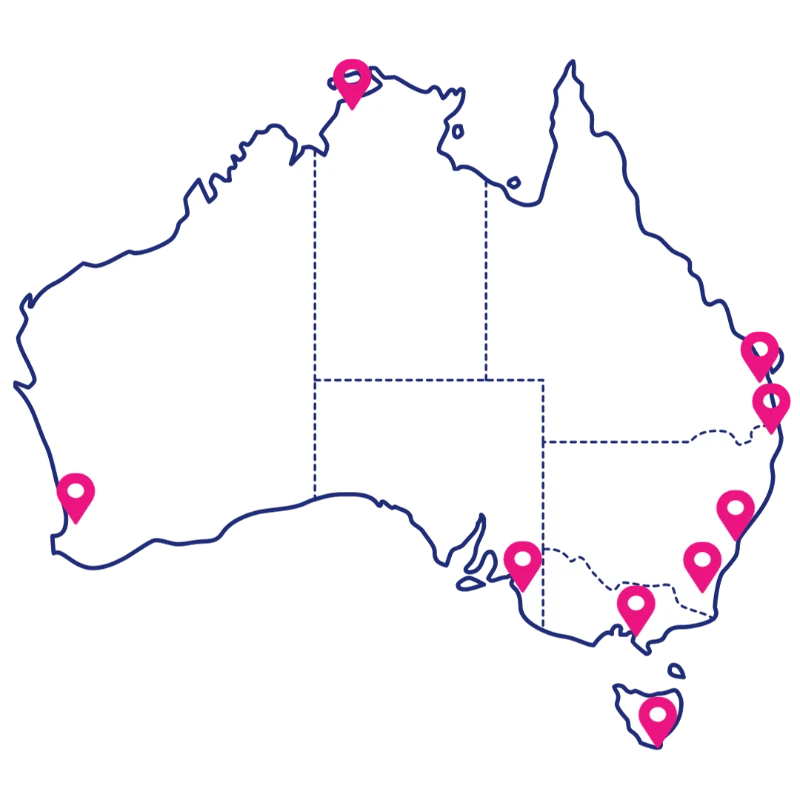
Explore other internship locations
Read about Logistics & Supply Chain internship options in other cities.
Career experiences with CSA
Published experiences from CSA’s internship and career-coaching programmes across different fields. These are individual accounts, rather than evidence of logistics placements in this city. Outcomes vary.

Arshdeep Singh
Engineering Graduate
“Thank you to my coach Langdon for guiding me…”

Ofir
“Really great to work with CSA to secure my new position!”
How the 12-week internship programme works
01.
Prepare your application and interview
Work with us on your logistics and supply chain Resume, cover letter and LinkedIn profile. Prepare to explain your studies, projects and career interests in a host interview.
02.
Meet suitable hosts
We contact suitable host companies and arrange internship interviews. Discuss the proposed work, team and supervision, and consider how the opportunity fits your background.
03.
Confirm your placement
When you and the host agree to proceed, confirm the duties, workplace, weekly attendance, start date and supervision before beginning your 12-week placement.
04.
Build experience with support
Contribute to agreed work, learn from your supervisor and apply feedback. We continue to support you throughout the placement so you can discuss your progress and questions.
05.
Plan your next career step
We encourage your host to consider you for employment. If a role does not follow, we can continue to help through one-on-one Career Coaching and preparation for your next applications.
Your next step in logistics and supply chain
Connect two records with a clear explanation
A Sydney placement can help you show how you followed information across a handover. Explain the references you compared, the inconsistent event you identified and how you communicated the question for review. Specific evidence can strengthen your interviews alongside the professional relationships you build.
Why consider a logistics and supply chain internship in Sydney?
NSW Ports describes Enfield Intermodal Logistics Centre as a Sydney rail and warehousing facility with a dedicated freight rail connection to Port Botany and links to road infrastructure. This local example helps students explore why references and event descriptions need to remain consistent as goods move between modes and facilities.
In a suitable placement, you could help compare an approved movement record with a delivery or warehouse record, prepare a draft discrepancy list or identify a missing handover confirmation. Learn how to explain which sources agree and what still needs checking before a status is updated.
Ask how the proposed role connects transport information with inventory, coordination or analysis. Clear supervision and feedback help turn a checking task into useful experience. The Enfield example provides context, rather than a promise of a placement at Enfield, Port Botany or a named operator.

Logistics & Supply Chain internship FAQs — Sydney
No. Enfield’s rail and warehousing connections are local industry context, rather than evidence of a CSA placement at the facility. The proposed host, location, duties and access need to be discussed and agreed. Ask how the actual role supports the experience you want to build.
Enfield’s rail, road and warehousing connections illustrate how a movement can involve several stages. A suitable supervised task could compare approved references or event details across transport and warehouse records. Explain where the information agrees and flag differences; the responsible team confirms the evidence and any operational next step.
Our logistics and supply chain internship programme runs for 12 weeks. Weekly attendance, start dates and any part-time arrangement depend on the opportunity. Discuss your classes and availability, then confirm the host’s schedule before proceeding.
Your university must assess the particular placement against your course requirements. Confirm any approval, duties, hours, supervision and evidence needed before starting. A 12-week placement does not automatically receive course credit.
The experience can help you demonstrate your contribution and build relationships for future applications. A host may consider employment if a suitable vacancy exists, but an offer is not guaranteed. If a job does not follow, we can continue to help through one-on-one Career Coaching.
CSA’s Career Training & Placement programme has fees. During your free consultation, discuss your background, preferred work, timing and availability. Ask for current programme fees, inclusions, preparation and supervision details. Clarify any host remuneration separately before accepting a placement.
Plan your next logistics career step in Sydney
Build practical supply chain experience in Sydney. Book a free consultation to discuss your goals, availability and preparation.