
Chemical Engineering Internships in Perth
Develop treatment-process records, measurements and quality review through a chemical engineering internship in Perth. CSA’s 12-week programme supports students and graduates with application preparation, host interviews and ongoing placement support. Discuss water-process and quality-data support with a potential host, then agree the project, duties and supervision before starting.

Organisation logos featured by CSA





Explore chemical engineering internship areas
Explore these five areas and the contributions you could make under supervision. The host’s work, your background and the agreed role determine the tasks, tools, training and access. A placement may focus on one area; discuss the actual responsibilities before proceeding.
Process Engineering Support
Help organise process data, update a draft flow diagram or check the units and assumptions in a calculation for review. Connect material and energy balances with the purpose of each process stage. Process simulation may be relevant, depending on the role; plant changes and design approval remain with authorised engineers.
Research and Development Support
Help compare technical literature, organise supplied experimental results or maintain a clear research-data record. In a suitable biochemical or process project, learn to separate an observation from an interpretation and explain the method and limitations. Any laboratory work depends on your training, approved procedures and supervision.
Product Development Support
Assist with trial records, compare supplied results or track changes between draft product specifications. The work may relate to food, biochemical or pharmaceutical processes, depending on the host. Learn how evidence informs a development decision, with testing permissions, product release and regulatory decisions handled by the responsible team.
Quality Control Support
Help organise supplied monitoring information and check stage labels, timestamps, units and completeness. Make an unresolved entry visible to the reviewer rather than filling it with an assumption. Learn to prepare a useful technical summary, with operating limits, performance acceptance and compliance decisions handled by the responsible team.
Process Safety Support
Help maintain a hazard register, record points from a supervised process-risk discussion or track agreed review actions. Learn the purpose of a hazard and operability study (HAZOP) and how questions are documented. Risk decisions, safety-system design and approval remain with qualified, authorised staff.
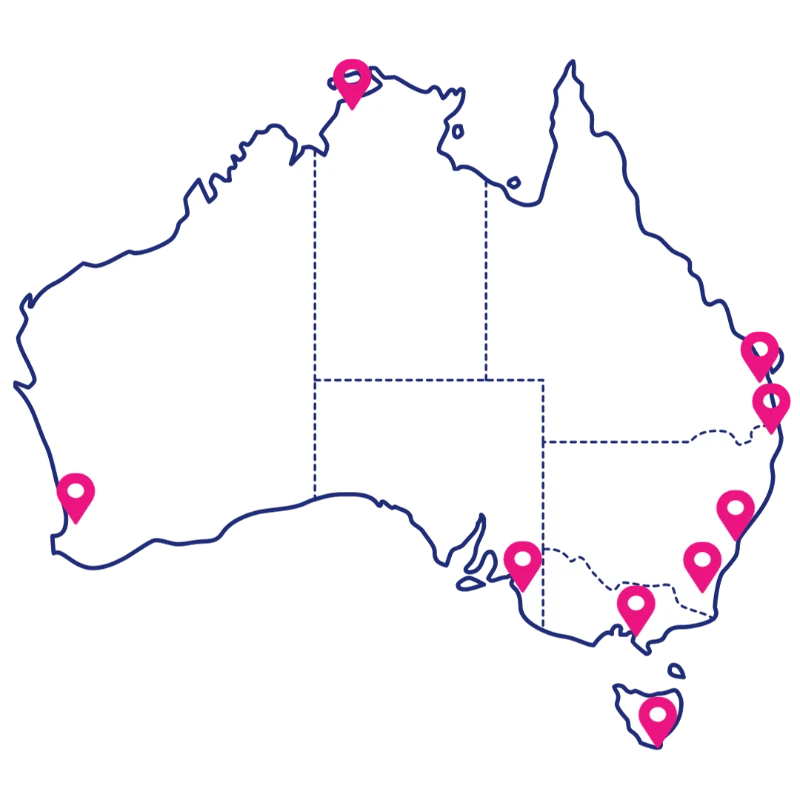
Explore other internship locations
Read about Chemical Engineering internship options in other cities.
Chemical engineering experiences with CSA
Read individual student experiences shared by CSA. Each account reflects that person’s experience; placement work and outcomes vary.

Avalyn
Chemical Engineering Graduate
“Thank you to my CSA internship coaches for helping me…”

Simon
Chemical Engineering
“Amazing and constant support from the CSA team.”
How the 12-week internship programme works
01.
Prepare your application and interview
Work with us on your Chemical Engineering Resume, cover letter and LinkedIn profile. Prepare to explain your studies, project work and engineering interests in a host interview.
02.
Meet suitable hosts
We contact suitable host companies and arrange internship interviews. Discuss the proposed work, supervision and learning opportunities, and consider how the role fits your background.
03.
Confirm your placement
When you and the host agree to proceed, confirm the duties, workplace, attendance, start date and supervision before beginning your 12-week placement.
04.
Build experience with support
Contribute to agreed work, learn from your supervisor and apply feedback. We continue to support you throughout the placement so you can discuss your progress and questions.
05.
Plan your next career step
We encourage your host to consider you for employment. If a role does not follow, we can continue to help through one-on-one Career Coaching and preparation for your next applications.
Your next step in chemical engineering
Build a chemical engineering work example you can explain
An application is stronger when you can explain a real contribution: the brief, what you did, the checks you completed and what changed after feedback. Discuss water-process and quality-data support as one possible direction. With the host’s permission, turn an agreed task into a concise case study for your resume or interview, keeping team work and your own contribution distinct.
Perth: Water-process and quality-data support
Water Corporation’s advanced water-recycling process at Craigie provides a metropolitan Perth example of ultrafiltration, reverse osmosis and ultraviolet disinfection. Its process information also describes monitoring at critical control points, showing why results need to be tied to a specific stage.
Organise approved measurements, check the process stage and units and prepare a summary for an engineer’s review. Learn how a recorded result supports a quality question without independently authorising a process change.
Use this local example to discuss your interests and the skills you want to develop. It is external context, not a CSA host or project commitment. Confirm the proposed organisation, worksite, data or equipment access and supervision; the placement may concern a different sector.

Chemical Engineering internship FAQs — Perth
Possible support tasks include process documentation, checked calculations, research records and quality reporting. Craigie’s water-recycling process offers a local treatment example, not a promised host or plant visit. Discuss the proposed host’s actual work.
Ask the specific host about its worksite, attendance and travel requirements. Do not infer a fly-in fly-out roster from the city or discipline. Agree the arrangements, supervision and any site requirements before accepting.
Your institution decides whether the proposed placement meets its requirements. Confirm the duties, supervision, attendance and assessment conditions with your university before starting. CSA’s advertised 12-week duration does not itself establish academic credit.
For a Perth placement, bring your course details, resume and a project relevant to water-process and quality-data support. Confirm whether duties are office, laboratory or site based, who supervises them and which equipment or systems you may use. Agree dates, attendance, travel and induction requirements before accepting. Obtain any required university approval in advance and ask what work may be retained for applications.
CSA advertises a 12-week placement, with application preparation before it starts and ongoing support during the internship. Confirm the dates, attendance, duties and supervision for the particular host before proceeding.
Book a Free Consultation and discuss your studies or qualifications, current skills, availability and learning goals. CSA supports application preparation and host interviews. A placement proceeds when you and the host agree to the proposed arrangement.
Plan your Chemical Engineering internship in Perth
Talk with CSA about your background and the work you want to learn. Clarify the host project, supervision and practical arrangements before agreeing to a placement.