
Logistics & Supply Chain Internships in Darwin
Turn logistics knowledge into examples of careful coordination. Career Success Australia’s 12-week Logistics & Supply Chain Internship in Darwin can help students and graduates learn through supervised work, feedback and professional relationships.

Explore logistics and supply chain careers


Explore logistics and supply chain internship areas
Explore the work areas below and the contributions you could make under supervision. The host’s work, your background and the agreed role determine your duties, training and access. These are learning examples, rather than a list of current vacancies or promises of management responsibility.
Logistics Coordination Support
Help maintain an approved shipment register, organise supplied status updates or draft a follow-up for review. Learn to distinguish expected milestones from confirmed events and make an outstanding question clear to the person responsible.
Process Analysis Support
Help document an existing workflow, compare approved records or prepare a draft process summary. Practise explaining an information gap and a possible improvement, with recommendations reviewed by the team before any process changes.
Inventory Records Support
Help compare permitted stock, receipt and issue records or organise a draft discrepancy list. Check item references, quantities and units carefully. A difference is a question to investigate with your supervisor, rather than proof that goods are missing.
Demand Planning Support
Help organise supplied historical data, check spreadsheet inputs or compare a forecast with recorded results. Learn to document definitions and assumptions, with forecasts and purchasing decisions reviewed by the responsible team.
Production Administration
Help maintain an approved production-status sheet, organise supplied material records or record an outstanding information request. Learn how dates, item references and completion evidence support planning, with production priorities and operational instructions set by authorised staff.
Supply Chain Analysis Support
Help organise approved order, shipment or delivery data and prepare a draft summary. Check what a measure represents, where its inputs came from and what remains uncertain before drawing a conclusion about performance.
Quality Documentation Support
Help check an approved document index, organise supplied inspection records or flag missing information. Learn to trace a record to its source and follow the review process. Product acceptance, quality sign-off and corrective-action decisions remain with authorised staff.
Transport Planning Support
Help maintain an approved movement-milestone register using supplied information. Separate planned, revised and confirmed times, and prepare a draft question about an outstanding handover. Transport instructions and operational approvals remain with the responsible team.
Fleet Administration Support
Help maintain an approved vehicle-document register, organise supplied maintenance dates or prepare a draft reminder list. Learn to record status accurately and raise gaps for review. Vehicle operation, maintenance approval and fitness-for-service decisions remain with authorised staff.
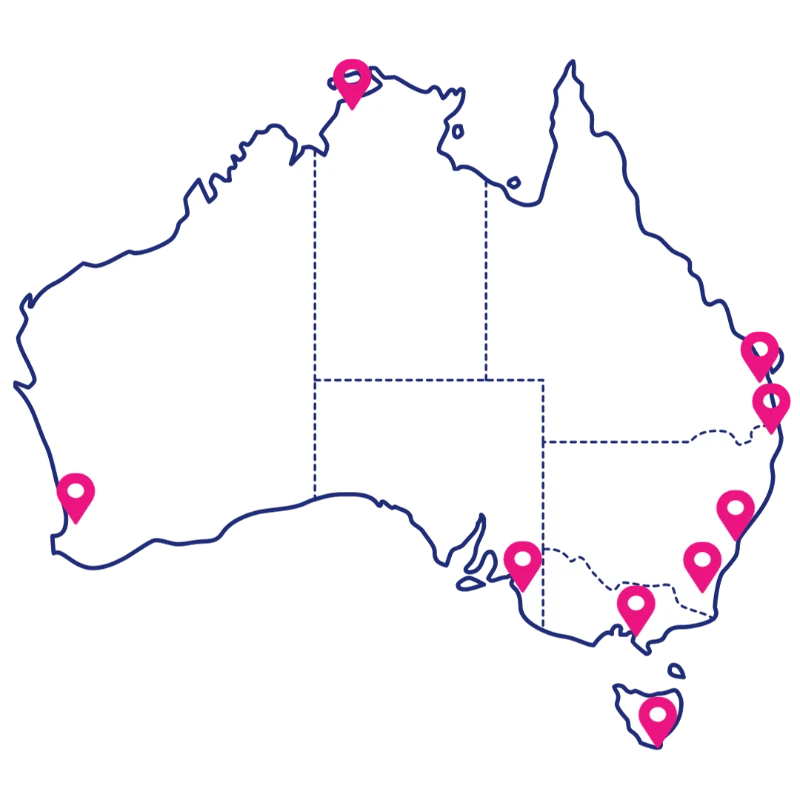
Explore other internship locations
Read about Logistics & Supply Chain internship options in other cities.
Career experiences with CSA
Published experiences from CSA’s internship and career-coaching programmes across different fields. These are individual accounts, rather than evidence of logistics placements in this city. Outcomes vary.

Arshdeep Singh
Engineering Graduate
“Thank you to my coach Langdon for guiding me…”

Akshay
“Thank you Naren for the great career guidance to start my career.”
How the 12-week internship programme works
01.
Prepare your application and interview
Work with us on your logistics and supply chain Resume, cover letter and LinkedIn profile. Prepare to explain your studies, projects and career interests in a host interview.
02.
Meet suitable hosts
We contact suitable host companies and arrange internship interviews. Discuss the proposed work, team and supervision, and consider how the opportunity fits your background.
03.
Confirm your placement
When you and the host agree to proceed, confirm the duties, workplace, weekly attendance, start date and supervision before beginning your 12-week placement.
04.
Build experience with support
Contribute to agreed work, learn from your supervisor and apply feedback. We continue to support you throughout the placement so you can discuss your progress and questions.
05.
Plan your next career step
We encourage your host to consider you for employment. If a role does not follow, we can continue to help through one-on-one Career Coaching and preparation for your next applications.
Your next step in logistics and supply chain
Show how you made an uncertainty clear
A Darwin placement can help you demonstrate reliable follow-through. Explain what a record confirmed, what remained uncertain and how you directed the next question to the responsible person. A specific example gives future employers useful evidence alongside the workplace relationships you build.
Why consider a logistics and supply chain internship in Darwin?
Darwin Port describes East Arm Wharf as a multi-user facility handling general cargo, containers and other cargo types. This local setting helps Darwin students explore why a movement record needs a clear reference, status and person responsible for the next handover.
In a suitable placement, you could help maintain an approved milestone register, compare supplied updates or prepare a draft handover message. Learn to separate planned and revised times from confirmed events, and to raise an unanswered question without filling the gap with an assumption.
Ask how your proposed duties connect with transport coordination, records, inventory or analysis. Clear review arrangements can make an administrative task a useful learning experience. Port activity provides context; it does not establish access to East Arm or a role in cargo operations.

Logistics & Supply Chain internship FAQs — Darwin
East Arm’s multi-user cargo activity offers a local example of why handover records matter. A suitable role could include approved milestone records, document checks or draft coordination updates. Ask what information you would use, who reviews it and how it supports the actual host’s process.
Darwin’s East Arm Wharf handles several cargo types in a multi-user setting. It provides a useful example of why an arrival estimate, a confirmed receipt and availability for collection are distinct. In a support role, keep those statuses clear and ask the responsible person to confirm an outstanding step.
Our logistics and supply chain internship programme runs for 12 weeks. Weekly attendance, start dates and any part-time arrangement depend on the opportunity. Discuss your classes and availability, then confirm the host’s schedule before proceeding.
Your university must assess the particular placement against your course requirements. Confirm any approval, duties, hours, supervision and evidence needed before starting. A 12-week placement does not automatically receive course credit.
The experience can help you demonstrate your contribution and build relationships for future applications. A host may consider employment if a suitable vacancy exists, but an offer is not guaranteed. If a job does not follow, we can continue to help through one-on-one Career Coaching.
CSA’s Career Training & Placement programme has fees. During your free consultation, discuss your background, preferred work, timing and availability. Ask for current programme fees, inclusions, preparation and supervision details. Clarify any host remuneration separately before accepting a placement.
Plan your next logistics career step in Darwin
Build practical logistics experience in Darwin. Book a free consultation to discuss your interests, preparation and preferred work.