
Logistics & Supply Chain Internships in Perth
Build experience in the details behind a useful logistics record. Career Success Australia’s 12-week Logistics & Supply Chain Internship in Perth can help students and graduates contribute under supervision, learn from feedback and prepare stronger career examples.

Explore logistics and supply chain careers





Explore logistics and supply chain internship areas
Explore the work areas below and the contributions you could make under supervision. The host’s work, your background and the agreed role determine your duties, training and access. These are learning examples, rather than a list of current vacancies or promises of management responsibility.
Logistics Coordination Support
Help maintain an approved shipment register, organise supplied status updates or draft a follow-up for review. Learn to distinguish expected milestones from confirmed events and make an outstanding question clear to the person responsible.
Process Analysis Support
Help document an existing workflow, compare approved records or prepare a draft process summary. Practise explaining an information gap and a possible improvement, with recommendations reviewed by the team before any process changes.
Inventory Records Support
Help compare permitted stock, receipt and issue records or organise a draft discrepancy list. Check item references, quantities and units carefully. A difference is a question to investigate with your supervisor, rather than proof that goods are missing.
Demand Planning Support
Help organise supplied historical data, check spreadsheet inputs or compare a forecast with recorded results. Learn to document definitions and assumptions, with forecasts and purchasing decisions reviewed by the responsible team.
Production Administration
Help maintain an approved production-status sheet, organise supplied material records or record an outstanding information request. Learn how dates, item references and completion evidence support planning, with production priorities and operational instructions set by authorised staff.
Supply Chain Analysis Support
Help organise approved movement and receipt references or compare supplied logs. Practise clear status definitions, source references and a draft exception summary, keeping estimates separate from confirmed events before suggesting a conclusion for review.
Quality Documentation Support
Help check an approved document index, organise supplied inspection records or flag missing information. Learn to trace a record to its source and follow the review process. Product acceptance, quality sign-off and corrective-action decisions remain with authorised staff.
Transport Planning Support
Help organise supplied movement information, compare an agreed schedule with status records or prepare a draft handover summary. Build accuracy with locations and timings while transport decisions, dispatch instructions and operational approvals remain with the responsible team.
Fleet Administration Support
Help maintain an approved vehicle-document register, organise supplied maintenance dates or prepare a draft reminder list. Learn to record status accurately and raise gaps for review. Vehicle operation, maintenance approval and fitness-for-service decisions remain with authorised staff.
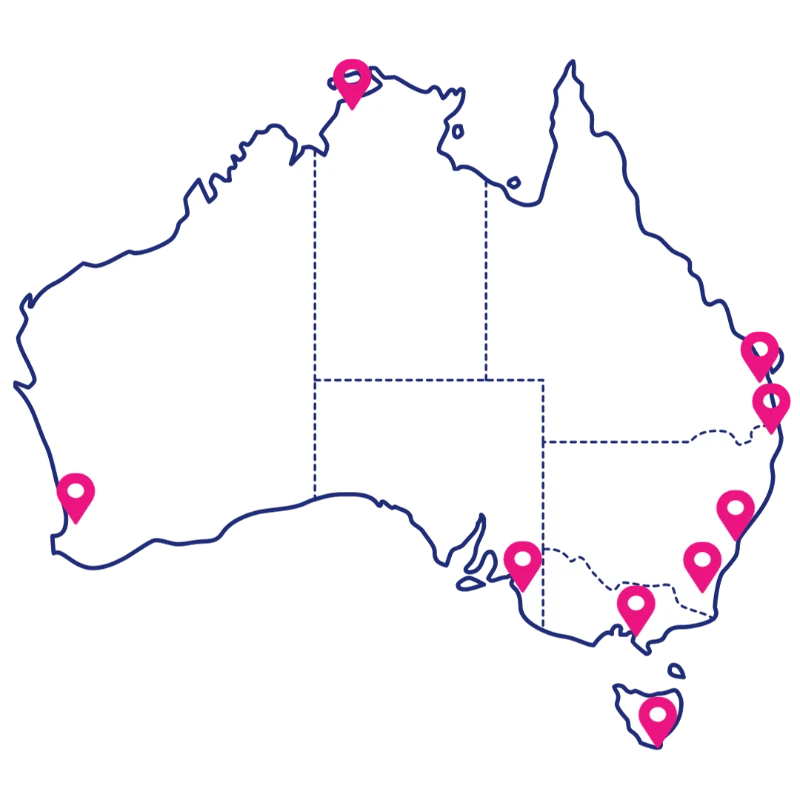
Explore other internship locations
Read about Logistics & Supply Chain internship options in other cities.
Career experiences with CSA
Published experiences from CSA’s internship and career-coaching programmes across different fields. These are individual accounts, rather than evidence of logistics placements in this city. Outcomes vary.

Anu
“Great to work with Naren and team on my career strategy…”

Sai
“Great choice joining with CSA to help with my career!”
How the 12-week internship programme works
01.
Prepare your application and interview
Work with us on your logistics and supply chain Resume, cover letter and LinkedIn profile. Prepare to explain your studies, projects and career interests in a host interview.
02.
Meet suitable hosts
We contact suitable host companies and arrange internship interviews. Discuss the proposed work, team and supervision, and consider how the opportunity fits your background.
03.
Confirm your placement
When you and the host agree to proceed, confirm the duties, workplace, weekly attendance, start date and supervision before beginning your 12-week placement.
04.
Build experience with support
Contribute to agreed work, learn from your supervisor and apply feedback. We continue to support you throughout the placement so you can discuss your progress and questions.
05.
Plan your next career step
We encourage your host to consider you for employment. If a role does not follow, we can continue to help through one-on-one Career Coaching and preparation for your next applications.
Your next step in logistics and supply chain
Show how you traced a status to its source
A Perth placement can help you demonstrate accuracy with definitions and evidence. Describe how you checked a movement reference, kept an estimate separate from a confirmed event and presented a clear question. Use those examples in applications while you build relationships and explore your preferred work.
Why consider a logistics and supply chain internship in Perth?
Transport WA describes container rail movements between Fremantle Port’s North Quay Rail Terminal and metropolitan intermodal terminals. Its freight-on-rail information distinguishes full and empty containers and discusses movement evidence. This provides a local context for Perth students exploring accurate transport records.
In a suitable placement, you could help organise approved movement and receipt references, compare supplied logs or prepare a draft exception summary. Check that a status is clearly defined and supported by the right record, rather than treating an arrival estimate as proof of receipt.
Ask how the proposed role develops your understanding of inventory, transport coordination or supply chain analysis. The Fremantle example illustrates a process, while actual systems, training and duties depend on the host. It does not promise terminal access or work with a particular operator.

Logistics & Supply Chain internship FAQs — Perth
Yes. The Fremantle-linked rail example illustrates why movement evidence needs organised records. A suitable role could involve approved movement data, receipt records or draft reports. Ask which systems you may use, how those tasks support the process and who reviews your work. Physical access and duties depend on the placement.
Transport WA’s freight-on-rail information distinguishes full and empty container movements. In a fictional example, define the status, origin, destination and supporting reference clearly. Keep an arrival estimate separate from confirmed movement or receipt, and identify what further evidence would be needed before marking a step complete.
Our logistics and supply chain internship programme runs for 12 weeks. Weekly attendance, start dates and any part-time arrangement depend on the opportunity. Discuss your classes and availability, then confirm the host’s schedule before proceeding.
Your university must assess the particular placement against your course requirements. Confirm any approval, duties, hours, supervision and evidence needed before starting. A 12-week placement does not automatically receive course credit.
The experience can help you demonstrate your contribution and build relationships for future applications. A host may consider employment if a suitable vacancy exists, but an offer is not guaranteed. If a job does not follow, we can continue to help through one-on-one Career Coaching.
CSA’s Career Training & Placement programme has fees. During your free consultation, discuss your background, preferred work, timing and availability. Ask for current programme fees, inclusions, preparation and supervision details. Clarify any host remuneration separately before accepting a placement.
Plan your next logistics career step in Perth
Build logistics experience in Perth with a clear purpose. Book a free consultation to discuss your background, preparation and preferred work.